Elgin County Railway Museum · St. Thomas
Why Save TheMuseum?
This is a tough question, but at the same time, the answer is actually very simple: the Museum showcases our heritage and helps explain why St. Thomas exists.
Every time we lose another railway building, we lose another physical connection to the story of who we are.
We are very rapidly losing our identity as the Railway City. What remains needs to be preserved and protected.
Why now?
Because buildings don't wait.
The Museum has been closed for the past nine months while we have worked through the challenges facing the building and developed a restoration plan.
If we don't act, deterioration will continue. Eventually, we will reach the point where another piece of our railway heritage is simply gone forever.
For generations, railway buildings, structures and artifacts have disappeared as properties were redeveloped, buildings were neglected, and yesterday's heritage became tomorrow's demolition.
We cannot keep saying, “We'll deal with it tomorrow.”
We have already lost too much. This is our opportunity to change that pattern.
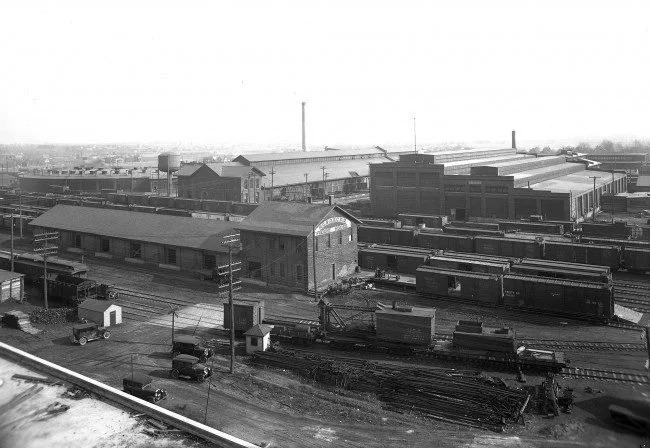
102buildings once stood
2major historic railway buildings remain
The CASO Station and the Michigan Central Railway Shops. The Shops building was one of the largest buildings on those lands. Beyond the Michigan Central lands, dozens of other significant railway buildings once surrounded this area, and most of them are gone.

“Our railway heritage matters in St. Thomas. It gives us our identity.”
We are the Railway City
St. Thomas exists because of the railway.
The railway does not exist because of St. Thomas.
The railway arrived and fundamentally changed our community.
The CASO Station came to what was then Millersburg, now St. Thomas.
The Michigan Central Railway Shops building, now home to the Elgin County Railway Museum, was built.
The Museum itself began.
Railway history isn't simply something that happened in St. Thomas. It created much of the St. Thomas we know today.
Before the railway boom, St. Thomas had a population of roughly 1,200 people. As the railway industry expanded, our population grew dramatically. The railway brought jobs, investment, families and generations of prosperity to this community.
It put St. Thomas on the map.
Our economy may no longer depend directly on the railway, but railway heritage remains an important part of our identity and tourism economy.
The Museum is also one of the few community-oriented spaces remaining in our downtown core that is rooted in arts, culture and heritage. We have invested significantly in places for sports and recreation. We need places that preserve our culture and tell our story as well.
There was once a grand public green space in front of the CASO Station that welcomed people arriving in St. Thomas by rail. As the railway lands are redeveloped, we have an opportunity to once again create a defining place in the heart of our city.
With the CASO Station, the Museum, the railway corridor and the redevelopment of the surrounding brownfield lands, this area can become a true focal point for St. Thomas — a place that connects our past, present and future.
More than a museum
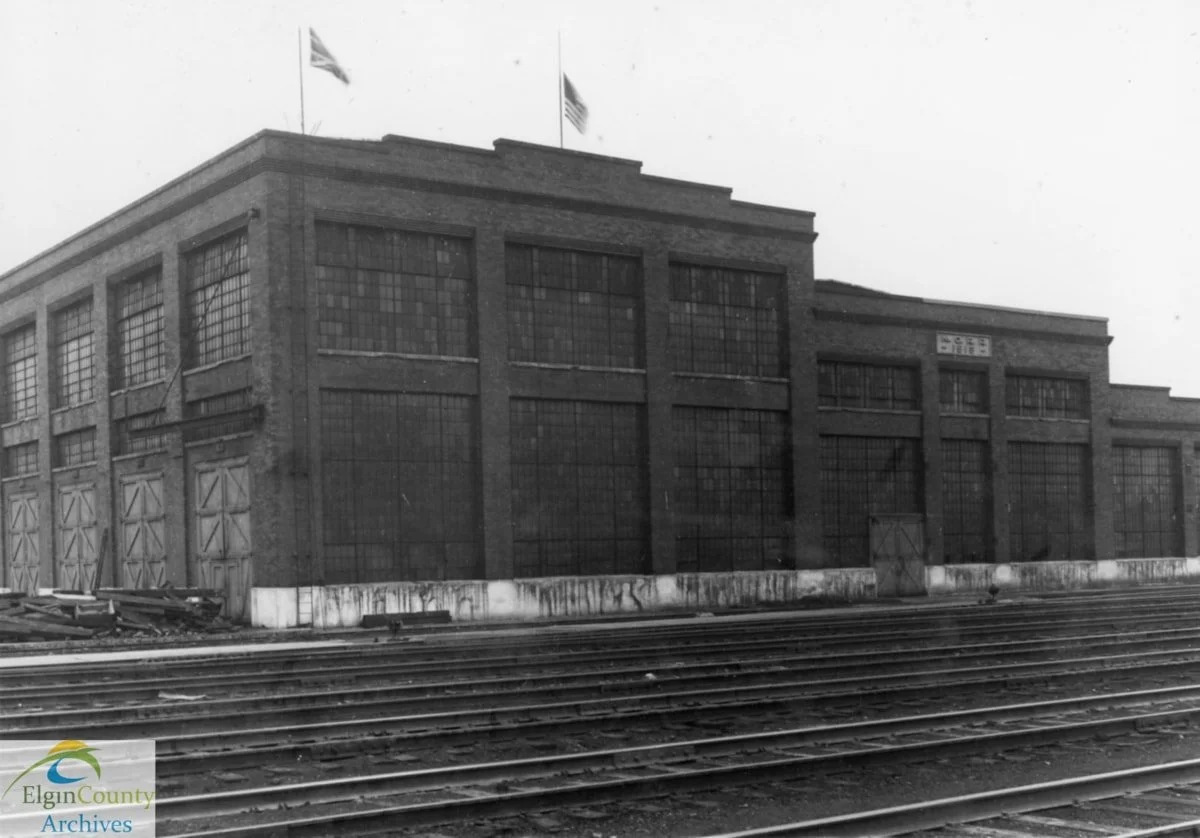
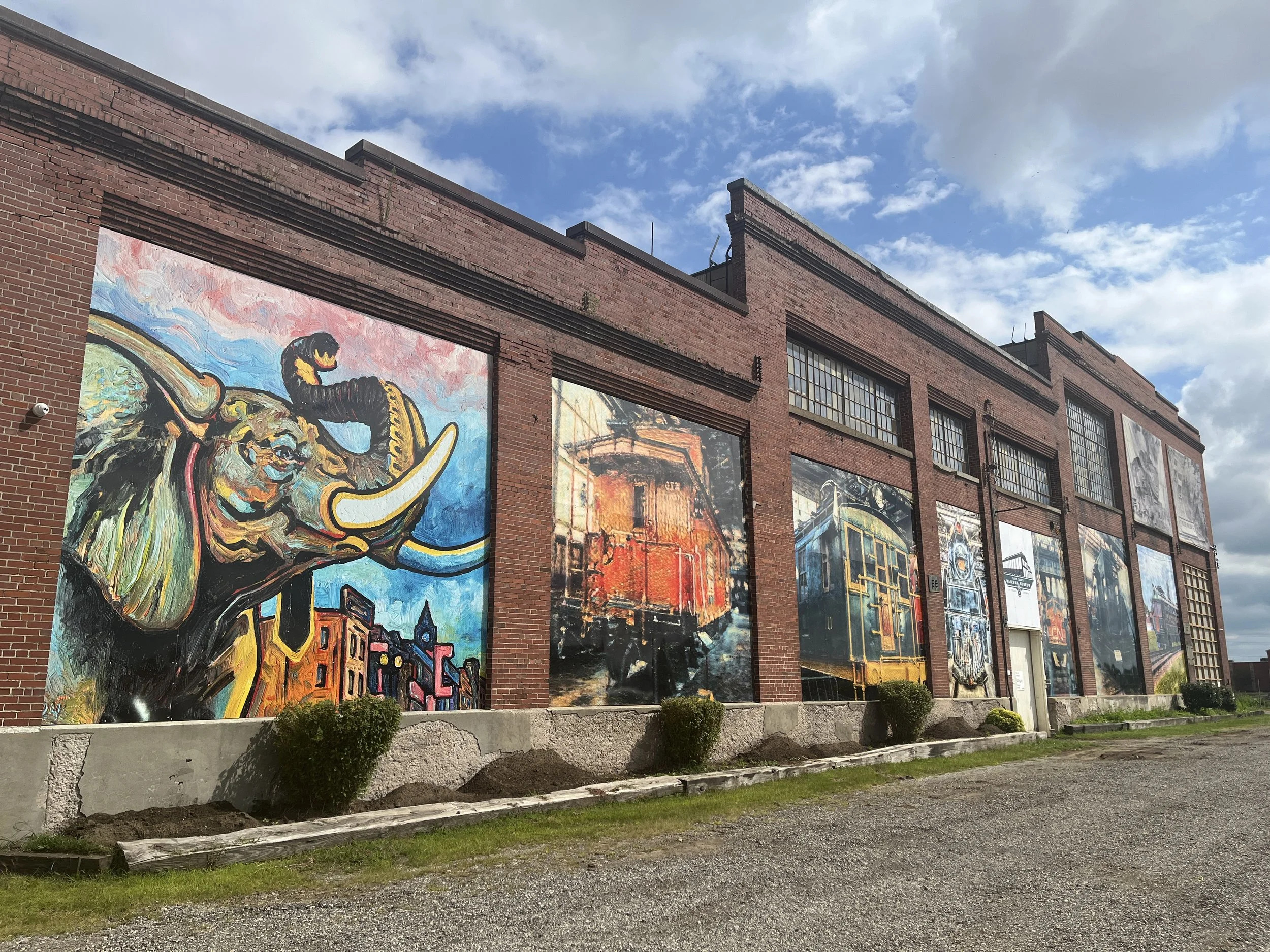
The Elgin County Railway Museum is housed inside the historic 1913 Michigan Central Railway Shops building, but what happens inside those walls is much bigger than a traditional museum.
An education centre
It connects families to generations of railway history and builds local pride.
A tourism destination
Railway heritage remains an important part of our identity and tourism economy.
A place of preservation
It preserves artifacts and stories that otherwise could be lost.
A home for volunteers
It gives volunteers a place to contribute their skills, knowledge and passion.
A community space
One of the few spaces left in our downtown core rooted in arts, culture and heritage.
A gathering place
Weddings, funerals, dinners, birthdays, celebrations and major announcements.
But it has also become a place where our community gathers.
Major economic announcements have happened there. Public celebrations have happened there. We've hosted weddings, funerals, dinners, birthdays, community gatherings and special events. It is a place where St. Thomas comes together. With the right investment, the Museum can become one of our community's grand halls — preserving railway history while also serving the broader community.
The vision
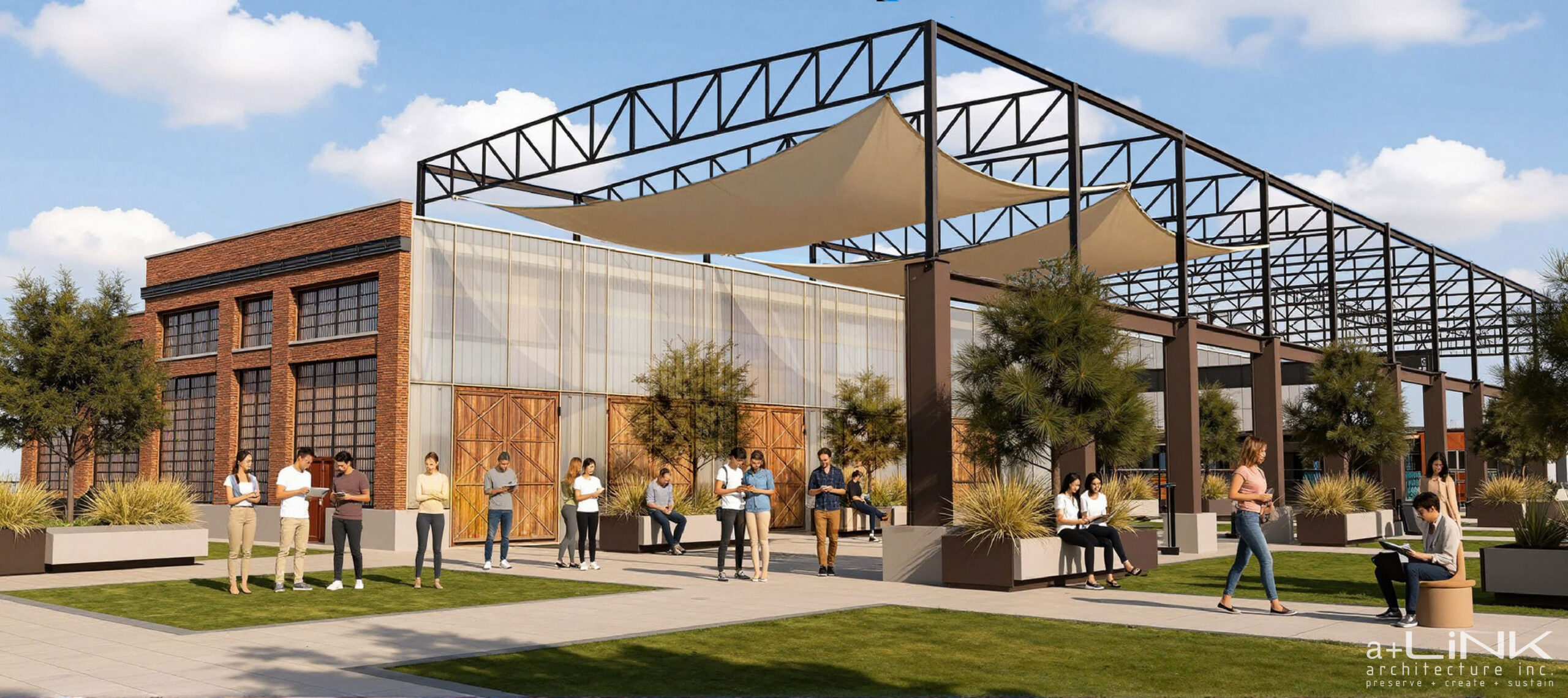
Inside those four walls, the Museum can become a truly multi-use community building.
Together with the historic CASO Station and the redevelopment of the surrounding brownfield lands by DTL, it creates an important cultural and urban space directly within our downtown core. Instead of the Museum standing alone, it becomes part of something much larger — a railway heritage district and community gathering place that can help define the future identity of downtown St. Thomas.

- Preserve and display artifacts
- Tell our railway story
- Educate children and future generations
- Host community events
- Give volunteers opportunities
- Support tourism
- Bring people together
- Anchor a heritage district
But preserving the Michigan Central Railway Shops building does something even bigger.
Community stories
Investments in heritage preservation enhance community pride, strengthen our sense of place, and create meaningful connections between our past and our future. These cultural assets also contribute to the quality of life that helps attract residents, businesses, and investment to the region.

The Elgin County Railway Museum is a treasured cultural and historical asset that celebrates our community's rich railway heritage and its significant contribution to the development of Southwestern Ontario and Canada.

The Elgin County Railway Museum is an important part of what makes St. Thomas and Elgin County unique. Our region has a proud railway history, and the museum plays an important role in preserving and sharing that story. Investments in community assets like the Elgin County Railway Museum have a lasting impact.

Supporting the preservation of the Michigan Central Railroad Shops aligns perfectly with the Heritage Conservation District Plan's broader goals to encourage compatible redevelopment that contributes to the continued revitalization of the downtown core.

The Elgin County Railway Museum is one of St. Thomas' most significant cultural, event, and tourism spaces. The museum plays an important role in introducing visitors to everything our community has to offer and is an essential contributor to our local visitor economy.

The Elgin County Railway Museum is far more than a historical attraction. It serves as a vital community asset that preserves an important chapter of our region's identity while contributing meaningfully to tourism, economic development, education, and community pride. From an economic development perspective, the museum is an important driver of visitor attraction.

For more than 70 years, Doug Tarry Limited has been committed to building communities throughout St. Thomas and the surrounding region. Through that experience, we have learned that thriving communities are built on more than homes, roads, and infrastructure. Successful communities are anchored by places that celebrate local identity, create opportunities for people to gather, and foster a shared sense of pride and belonging. The Elgin County Railway Museum is one of those places. We believe that the long-term success of this area will depend not only on new investment and housing, but also on the strength of the cultural and community assets that surround it.

The Elgin County Railway Museum is far more than a historical attraction; it is an important economic and cultural asset that contributes to the vitality of St. Thomas and the surrounding region. From an economic development perspective, preserving and restoring the Elgin County Railway Museum is an investment in the long-term success of our community.
Why does the Michigan Central Railway Shops building matter to you?
Tell us in your own wordsWhat can I do?
Add your name to the letter of support.
Don't give them a script. Don't tell them what we want them to say. Ask them to speak from the heart and be honest. Then we collect those stories, comments, photographs and memories and turn them into something powerful. Ultimately, we can present those voices back to City Council, other levels of government, community legacy donors, our Board, potential supporters and the broader community. Instead of us simply telling people why this building matters, we let St. Thomas tell the story.
Thank you — your name is added.
Share the campaign with someone who has a memory connected to this place.
Share the campaign
The strongest messaging comes from the people with memories connected to this place. Pass it on.
Contact your elected officials
Respectful, personal notes carry the most weight. Here's a starting point you can make your own.
Leave it on the wall
A board is going up inside the Museum for handwritten answers, photographs and memories. Add yours in person when we reopen.
The overall message
Every great community needs a third place.
We are doing more than saving artifacts. More than preserving a building. We are protecting the identity of St. Thomas — and creating a place where our community can come together.
We all have a first place — the place we call home. We have a second place — where we work, build, and contribute. But every great community needs a third place. A place where we gather. A place where we celebrate. A place where we share our history and create new memories together.
For St. Thomas, that place can be here. The Michigan Central Railway Shops. The CASO Station. A restored green space connecting them in the heart of our downtown.
Together, they can become a defining gateway into St. Thomas — a place that tells visitors who we are and reminds future generations where we came from.
Industries come and go. Economies change. Cities evolve. But our identity remains. The railway helped build St. Thomas. Its story belongs to all of us.
This is our opportunity not simply to preserve the past, but to use our past to build something meaningful for the future.